
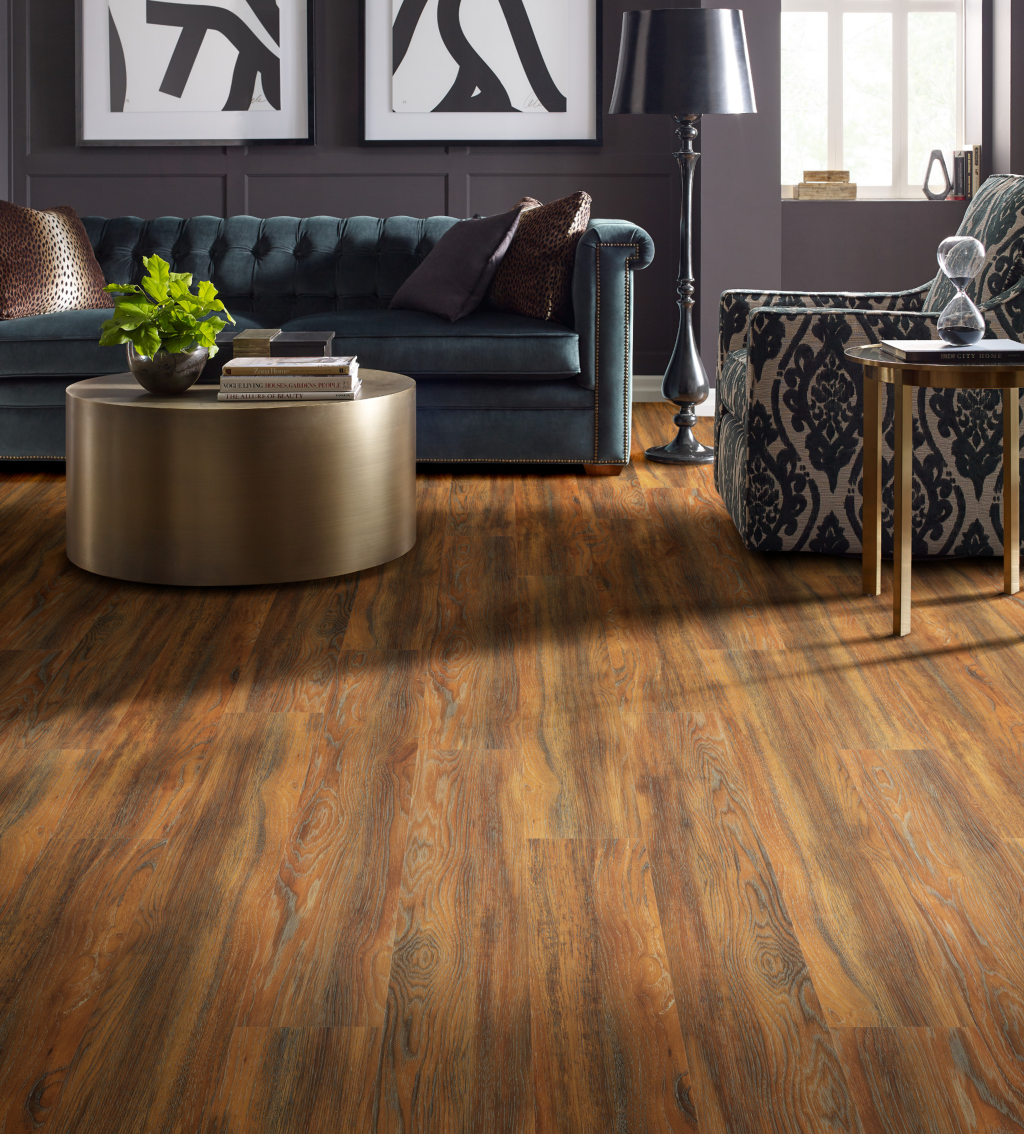
Choosing the right flooring is one of the most important decisions when remodeling or upgrading your home. Flooring affects more than just the appearance of a room—it can influence comfort, maintenance, durability, moisture resistance, and the overall feel of your living space.
For homeowners researching flooring options Bay Area, there are several materials worth considering. Among the most popular choices are hardwood, luxury vinyl plank (LVP), and tile. Each flooring type has its own advantages, and the right choice depends on your lifestyle, room requirements, design preferences, and budget.
Whether you’re renovating a single room or replacing flooring throughout your home, understanding the differences between these materials can help you make a more confident decision.
Why Choosing the Right Flooring Matters in Bay Area Homes
Bay Area homes vary significantly in style, age, construction, and layout. From older homes with traditional interiors to modern properties with open-concept floor plans, flooring needs can be very different from one home to another.
When comparing flooring options Bay Area homeowners should consider several factors:
- Durability and expected lifespan
- Water and moisture resistance
- Ease of cleaning
- Maintenance requirements
- Appearance and design
- Installation requirements
- Room usage
- Household lifestyle
- Long-term value
- Overall project budget
There is no single flooring material that is perfect for every room. Instead, the best approach is to match the flooring to how the space will actually be used.
Hardwood Flooring: Timeless and Natural
Hardwood flooring continues to be a popular choice for homeowners who want a warm, natural, and timeless appearance.
Real hardwood provides authentic wood grain and texture that can complement both traditional and modern interiors. It is particularly attractive in living rooms, dining areas, bedrooms, hallways, and open-concept spaces.
One of the biggest advantages of hardwood is its long-term appeal. Depending on the product and maintenance, hardwood can remain useful for decades, and solid hardwood can generally be refinished when the surface becomes worn.
Benefits of Hardwood Flooring
Hardwood offers several advantages:
- Natural appearance
- Timeless design
- Long service life
- Can be refinished
- Wide range of wood species
- Many stain and finish options
- Suitable for many interior styles
Current Bay Area flooring discussions show continued interest in natural and warm wood tones, wider planks, and lower-sheen finishes.
Is Hardwood Right for Every Room?
Not necessarily.
Hardwood is vulnerable to moisture, so it may not be the first choice for areas that regularly experience water exposure. Bathrooms, laundry rooms, and other moisture-prone areas often require a different flooring solution.
Engineered hardwood can provide an alternative where homeowners want authentic wood while needing greater dimensional stability.
Luxury Vinyl Plank Flooring: Practical and Versatile
Luxury Vinyl Plank, commonly known as LVP, has become an increasingly popular flooring option for homeowners looking for a combination of appearance, durability, and easy maintenance.
LVP is designed to replicate the look of natural materials such as hardwood while providing practical features that make it suitable for busy households.
Depending on the specific product, LVP can provide strong resistance to moisture and everyday spills. This makes it an option worth considering for families, pet owners, rental properties, and high-traffic areas.
Benefits of LVP Flooring
Some potential advantages include:
- Wood-look designs
- Easy maintenance
- Good everyday durability
- Moisture-resistant or waterproof product options
- Large selection of colors and patterns
- Comfortable installation options
- Suitable for many high-traffic spaces
LVP can be particularly useful when homeowners want the visual appearance of wood without choosing traditional hardwood for every room.
However, product quality varies, so homeowners should compare the construction, wear layer, warranty, installation method, and manufacturer specifications before purchasing.
Tile Flooring: Durable and Moisture Resistant
Tile is another important option when comparing flooring options Bay Area homeowners may consider.
Porcelain and ceramic tile are especially useful in areas where moisture resistance and easy cleaning are priorities.
Tile is commonly used in:
- Bathrooms
- Kitchens
- Entryways
- Laundry rooms
- Mudrooms
- High-use areas
Tile is also highly versatile from a design perspective. Large-format tiles can create a clean and contemporary appearance, while decorative patterns can add personality to a room.
Why Choose Tile?
Tile can provide:
- Excellent moisture resistance
- Strong durability
- Easy cleaning
- Numerous colors and textures
- Different sizes and patterns
- Long-term performance
- Compatibility with many interior styles
Tile is also worth considering for homeowners interested in radiant floor heating. Tile is generally a strong material for transferring and retaining radiant heat.
Hardwood vs. LVP vs. Tile: Which Is Best?
When comparing these three flooring materials, it helps to look at them based on your priorities.
Choose Hardwood If You Want:
Natural beauty: Hardwood provides genuine wood grain and character.
Long-term appeal: Hardwood can remain attractive for many years with appropriate care.
Refinishing potential: Solid hardwood can often be sanded and refinished multiple times.
Classic design: Hardwood works well with traditional, contemporary, and transitional interiors.
Choose LVP If You Want:
Easy maintenance: LVP can be practical for busy households.
Wood-look flooring: Modern LVP provides many realistic wood-inspired designs.
Moisture resistance: Certain LVP products are designed for areas where spills and moisture are concerns.
A practical solution: LVP can be an attractive choice when durability and maintenance are major priorities.
Choose Tile If You Want:
Moisture resistance: Tile is particularly useful in wet areas.
Durability: Quality tile can provide long-term performance.
Design flexibility: There are countless colors, textures, sizes, and patterns.
Easy cleaning: Tile surfaces can be relatively simple to maintain, although grout requires regular care.
Consider Your Lifestyle Before Choosing Flooring
Your lifestyle should be one of the biggest factors in your flooring decision.
For example, a family with children may prioritize durability and easy cleaning. A household with pets may want flooring that is resistant to scratches, stains, and accidents.
If you frequently entertain guests, appearance may be a higher priority. If you’re renovating a rental property, maintenance and long-term durability may be more important.
Ask yourself:
- Do I have children?
- Do I have pets?
- Is the room heavily used?
- Is the area exposed to water?
- How much maintenance am I comfortable with?
- How long do I plan to stay in the home?
- What style do I want?
- What is my renovation budget?
Answering these questions can make it much easier to narrow down the available flooring options Bay Area homeowners have.
Flooring by Room
Different rooms can benefit from different flooring materials.
Living Room
Hardwood can provide warmth and sophistication, while LVP can offer a practical alternative for busy households.
Kitchen
LVP and tile can both be considered depending on the home’s design, moisture exposure, maintenance preferences, and product specifications.
Bathroom
Tile is often a strong choice because of its moisture resistance.
Bedroom
Hardwood, engineered hardwood, and LVP can all work well depending on the desired appearance and comfort.
Entryway
Because entryways experience significant foot traffic and may encounter dirt and moisture, durable and easy-to-maintain materials are worth considering.
Don’t Forget About Installation
The flooring material is only one part of the project. Installation quality can significantly influence how the finished floor looks and performs.
Before installation, the existing surface should be evaluated for issues such as uneven areas, damaged subflooring, moisture concerns, and preparation requirements.
Different materials also require different installation techniques.
For example, tile requires appropriate substrate preparation and installation procedures, while hardwood and LVP have their own requirements for subfloor conditions, expansion, transitions, and product acclimation where applicable.
Working with an experienced flooring professional can help ensure that the selected product is appropriate for the space and installed correctly.
Think About Long-Term Value
When comparing flooring options Bay Area homeowners should avoid looking only at the initial purchase price.
Consider the complete cost of ownership.
A lower-cost flooring material may require replacement sooner, while a more expensive material may provide a longer useful life or additional refinishing possibilities.
Think about:
- Initial material cost
- Installation
- Subfloor preparation
- Maintenance
- Repairs
- Expected lifespan
- Replacement cost
For example, current Bay Area comparisons generally position LVP as a more budget-friendly option than hardwood, while hardwood and porcelain tile can offer longer service lives depending on the product and installation.
Actual project costs vary considerably based on material, room size, subfloor conditions, installation complexity, product quality, and location, so homeowners should request a project-specific estimate rather than relying on a generic online price.
How to Choose the Best Flooring for Your Home
Start by identifying the most important requirement for each room.
If natural beauty and long-term classic appeal are your priorities, hardwood may be worth considering.
If easy maintenance, practical performance, and wood-look design are more important, LVP may be a better fit.
If moisture resistance, durability, and design flexibility are your priorities, tile may be the right choice.
You also don’t necessarily need to use one flooring material throughout your entire home.
A combination can sometimes provide the best result—for example, hardwood or LVP in living spaces and tile in bathrooms.
Final Thoughts
Choosing among the many flooring options Bay Area homeowners have doesn’t have to be overwhelming.
Hardwood, LVP, and tile can all be excellent choices when they are selected for the right application.
Hardwood offers natural beauty and timeless appeal. LVP provides a practical and versatile solution for many busy households. Tile offers durability and excellent performance in moisture-prone spaces.
The best flooring choice ultimately depends on your home’s layout, lifestyle, design preferences, maintenance expectations, and budget.
Before starting your flooring project, compare materials carefully and discuss your specific requirements with a professional flooring contractor. A proper evaluation of your existing floor and installation conditions can help you select flooring that looks great and performs well for years to come.
If you’re planning a flooring renovation in the Bay Area, explore your options carefully and choose a flooring solution that fits both your home and your everyday lifestyle.